
Need Help Recycling in Colorado?
The Colorado Department of Public Health and Environment can help you find a recycler or drop off center near you, electronics recyclers, paint recycler, and hard to recycle materials recycler.
PaintCare offers drop-off sites throughout Colorado where the public can take unwanted paint for recycling. These sites are available to households, businesses, government agencies, and others with leftover paint. Enter your zip code, city and state, or street address to find the nearest, most convenient paint drop-off site to you.
Looking to increase your recycling efforts? Bubble wrap, plastic wrap, zip bags, and so much more are all recyclable, but they can’t be recycled through standard curbside recycling. Instead, collect the materials you have and drop them off at participating retailers near you!
Waste electronics and computers from residential and non-residential sources CANNOT be disposed of in solid waste landfills in Colorado.
Electronic Recyclers & Repair Locations in Colorado
- I.T. Refresh
- Blue Star Recyclers
- Green Girl Recycling
- Eco-Cycle CHaRM facility
- 3R Technology Solutions eWasted
- SustainAbility Recycling
- E-Tech Recyclers
The Electronic Recycling Jobs Act (Senate Bill 12‐133) prohibits the disposal of waste electronic devices in landfills after July 1, 2013. Instead, households should ensure that their electronic wastes are properly managed and recycled by taking them to a legitimate recycler or collection event.
- Useful components taken from this equipment may have value and can be resold as a commodity.
- Older devices and components are disassembled for materials recovery such as scrap metal and precious metals.
Waste electronic devices that are banned from Colorado landfills include: television sets, central processing units (CPUs), computer monitors, peripherals, printers, fax machines, laptops, notebooks, ultra books, net books, electronic tablets, digital video disc (DVD) players, video cassette recorders (VCRs), radios, stereos, video game consoles and video display devices with viewing screens greater than four inches diagonally.
Why ban electronics from Colorado landfills
- The Electronic Recycling Jobs Act will created employment opportunities. According to the Institute for Local Self-Reliance, per ton of waste, recycling sustains 10 jobs for every one landfill job.
- Electronic devices should be kept out of landfills and properly recycled to recover materials and reduce the energy demands from mining and manufacturing. Electronics are made from valuable resources, such as precious metals, copper, and engineered plastics, all of which require considerable energy to process and manufacture. Recycling electronics recovers valuable materials and as a result, reduces greenhouse gas emissions, saves energy, and saves resources by extracting fewer raw materials.
- Waste electronics contain heavy metals like lead and other harmful material that can contaminate soil and groundwater if not managed and disposed of properly.
In Colorado, Glass can be recycled infinitely. Glass is a material that can be created, used, processed and re-formed an infinite number of times. One glass bottle can become another in as little as 30 days.
Drop your in-tact glass in your recycling cart or local drop off bin to keep your glass in the circularity loop.
Glass to Glass is a glass recycler that harnesses the infinite circularity of glass. Their glass recycling facilities enable municipalities and communities to divert a recyclable resource from their waste streams.
The Rocky Mountain Bottle Company plant in Wheat Ridge, a joint venture between O-I and Molson Coors, uses recycled material in their production of new bottles right here in Colorado!
Common Recycling Questions

Get an in-depth look at the single-stream recycling process at the Boulder County Recycling Center. The 15-minute tour begins at the curbside recycling bin and follows the single-stream materials to the tipping floor of the Boulder County Recycling Center.
Check out the recyclable material sorting technology one of our Recycle Colorado members, AMP has developed for recycling centers. This video will walk you through why sorting technology is becoming a necessity in our recycling facilities.
Podcasts & Documentaries We Recommend
- Alie Ward's Ologies: Discard Anthropology (Garbage) with Dr. Robin Nagle
- Let's Talk Boulder: No Waste in the First Place episode
- K-12 Food Rescue: Food Waste Solution Leader Kathy Nguyen
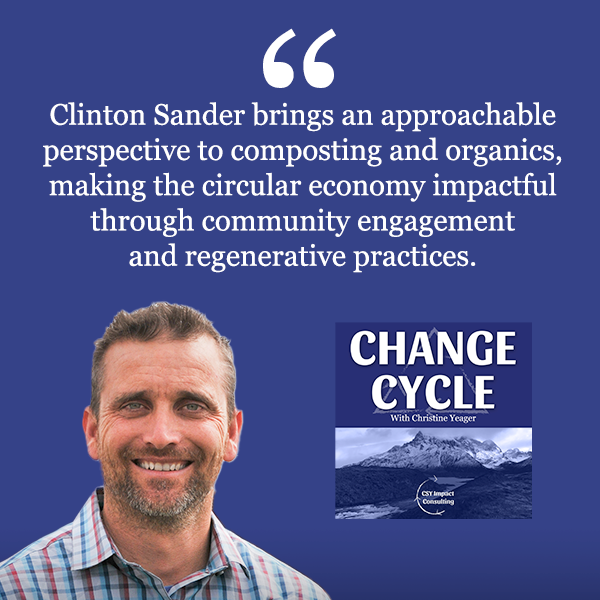
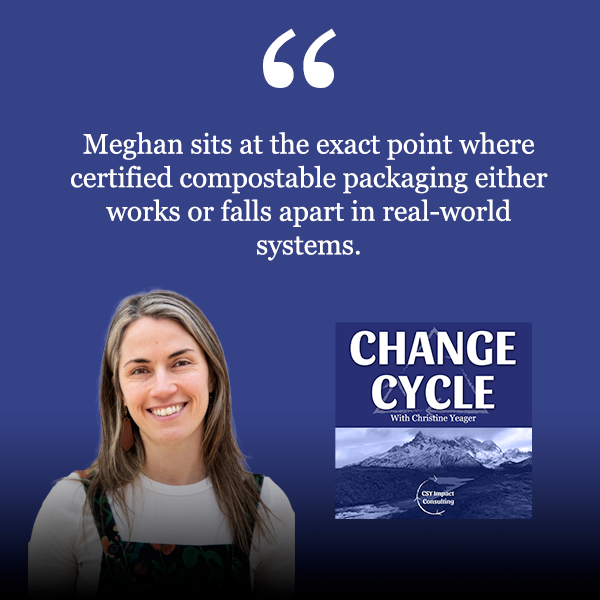
Change Cycle with Christine Yeager, CSY Consulting
Check out all her exciting podcasts around EPR, sustainability and waste diversion with guest speakers that my be familiar to you!

Additional Resources
- Colorado recycling rates from the Colorado Department of Public Health and Environment
- Eco-Cycle's annual State of Recycling and Composting Report
- Integrated Solid Waste & Materials Management Plan
- Looking for more ways to go for Zero Waste this holiday season? Check out Eco-Cycle's Zero Waste Holiday Guide for environmentally-smart tips to have a less wasteful holiday season.
- Denver Reuse Business Directory
- EPA's Waste Reduction Model (WaRM) was created to help solid waste planners and organizations estimate the energy and greenhouse gas emissions reductions from several different waste management practices. Individual Waste Reduction (iWaRM) is the consumer version of WARM – it helps you understand the energy saved by recycling small quantities of common household products, rather than landfilling them.
- The Sustainable Materials Management Prioritization Tools from the EPA are lifecycle-based tools offer a starting place for governments, trade associations, NGOs, companies, small enterprises, and other organizations to establish priorities for environmental improvement, focus their limited financial and human resources where action could offer greater holistic benefit, and consider key industries for collaboration.
- More Jobs, Less Pollution: Growing the Recycling Economy in the U.S., produced by the Tellus Institute, provides strong evidence that an enhanced national recycling and composting strategy in the United States can significantly and sustainably address critical national priorities including climate change, lasting job creation, and improved health.