What We Do
2026 COCC Meetings
Colorado Composting Council meets quarterly to work to encourage circular systems through policy, education, upcoming Colorado events, industry news & research, networking opportunities, and more!
February 17th COCC Meeting
May 19th COCC Meeting
August 18th COCC Meeting
November 17th COCC Meeting
Recycle Colorado & COCC members can RSVP to meetings and view meeting notes and resources on the Colorado Composting Council's Community page. Click the links below to jump in!
Policy
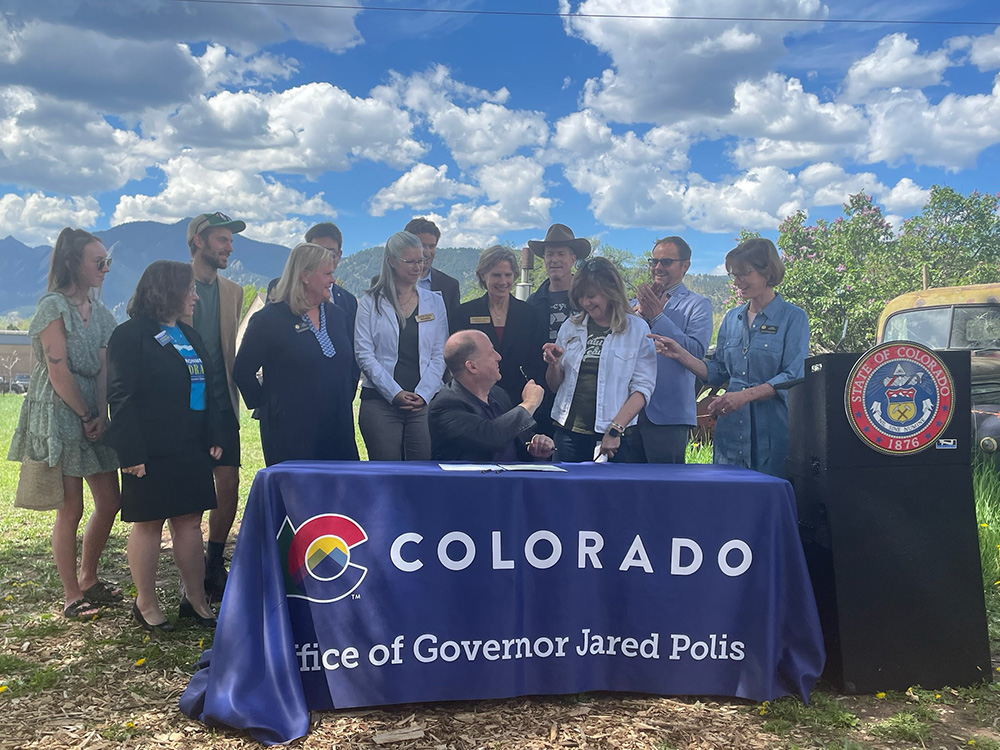
Each year, Colorado landfills over 2 million tons of organic material like food scraps and yard trimmings—over 4 times the amount that is turned into compost. The 2022 Colorado Organics Management Plan and subsequent 2024 organics diversion study found that the “untapped demand for finished compost is potentially five times greater than the amount of compost being produced.”
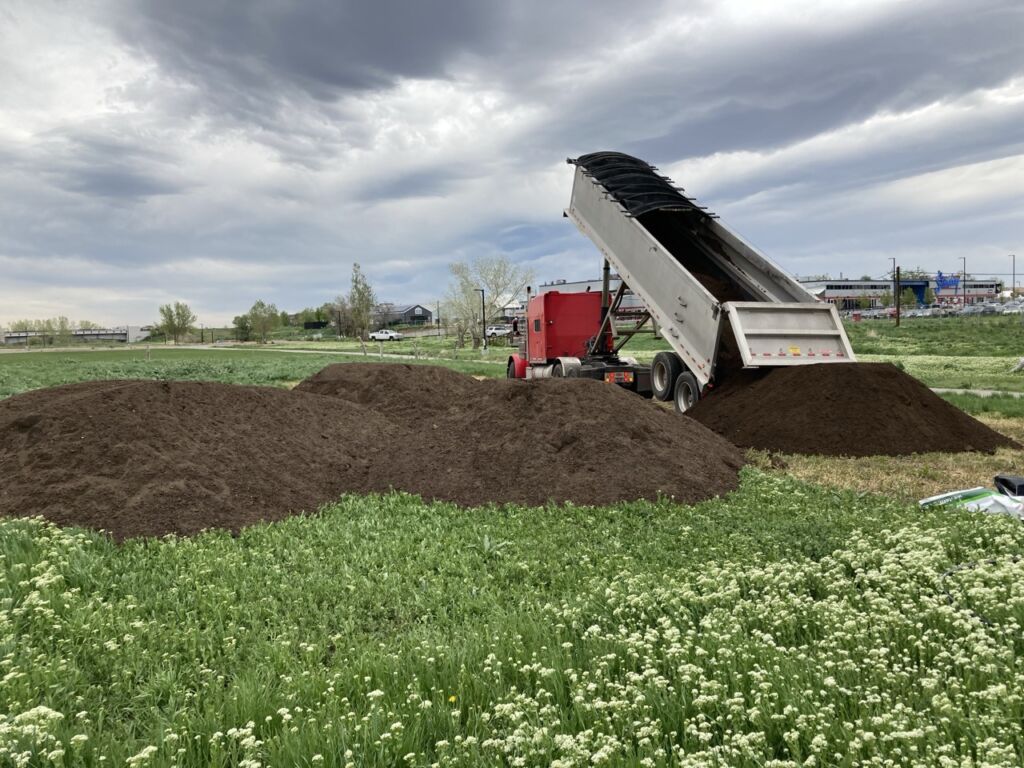
Colorado has a growing composting industry, which is expanding to meet the demands of residents and businesses who want to compost their food scraps and yard trimmings. These organic discards are valuable resources, and converting them into beneficial soil amendments is helping Colorado rebuild its soil health.
Policies and infrastructure investments that advance composting and build soil health will benefit all Coloradans. Diverting organic matter from landfills, and applying resulting soil amendments like compost, mulch, digestate and biochar presents huge opportunities for our state, including:
- Improving soil health and increasing flood, drought, and fire resilience.
- Adding nutrients and organic matter to soils, which helps rebuild soil health to support nutrient-dense crops and grasses.
- Improving the soil’s ability to absorb and retain water, which reduces irrigation needs and decreases fire risk.
- Filtering stormwater runoff and prevents topsoil erosion from flooding and high winds.
- Helping mitigate climate change
- Composting is more cost-effective than other climate solutions per ton of GHG reductions.
- Diverting organics from landfills reduces emissions of methane, a greenhouse gas (GHG) 83 times more potent than CO2.
- Applying compost supports plant life, which draws carbon out of the atmosphere, sequestering it in the soil.
- Strengthening local circular economies
- Making and using compost creates five times more jobs per ton of material than landfilling.
- Compost can be made and used close to the communities that generate the material, supporting local composting businesses and agriculture.
- Using locally sourced compost in public works and other municipal projects can save Colorado communities money.
- Addressing local community priorities
- Reducing food insecurity by directing edible food to hungry people.
- Diverting organics from landfills extends the life of existing landfills, saving communities tremendous costs.
- Meeting resident and business demands for access to composting and compost.
- Applying compost reduces the need for synthetic fertilizers, pesticides, and herbicides, which, in turn, reduces chemical run-off.
Colorado is taking strides to expand organics diversion and compost use, but there is more work to be done! We ask State and local government leaders to take action by:
- Prioritizing goals for greenhouse gas reduction, responsible water use, and waste reduction. Turning organic discards into soil-building compost helps achieve these and other goals.
- Adopting policies to expand composting capacity and use. Multiple Colorado jurisdictions require diversion, expand access to composting services, and/or require the use of compost in landscaping. State agencies such as CDOT require the use of compost in infrastructure projects.
- Supporting programs that provide funding and technical assistance like Colorado Circular Communities (C3), and Saving Tomorrow’s Agricultural Resources (STAR), as well as local efforts that expand capacity, programs, and education.
- Partnering with the Colorado Composting Council, composting businesses and community composters to develop and implement organics diversion and compost utilization programs statewide.
Compost Operations Training Course (COTC)
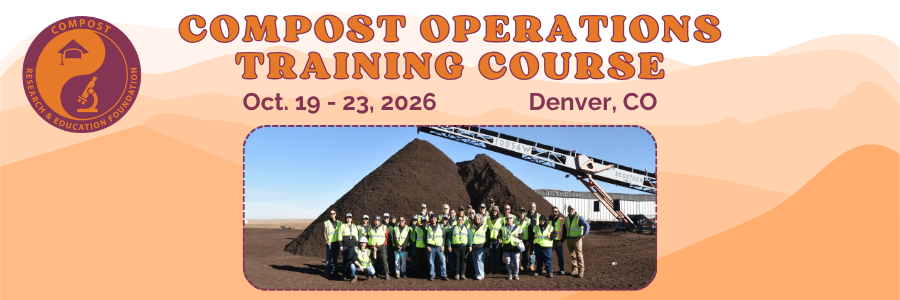
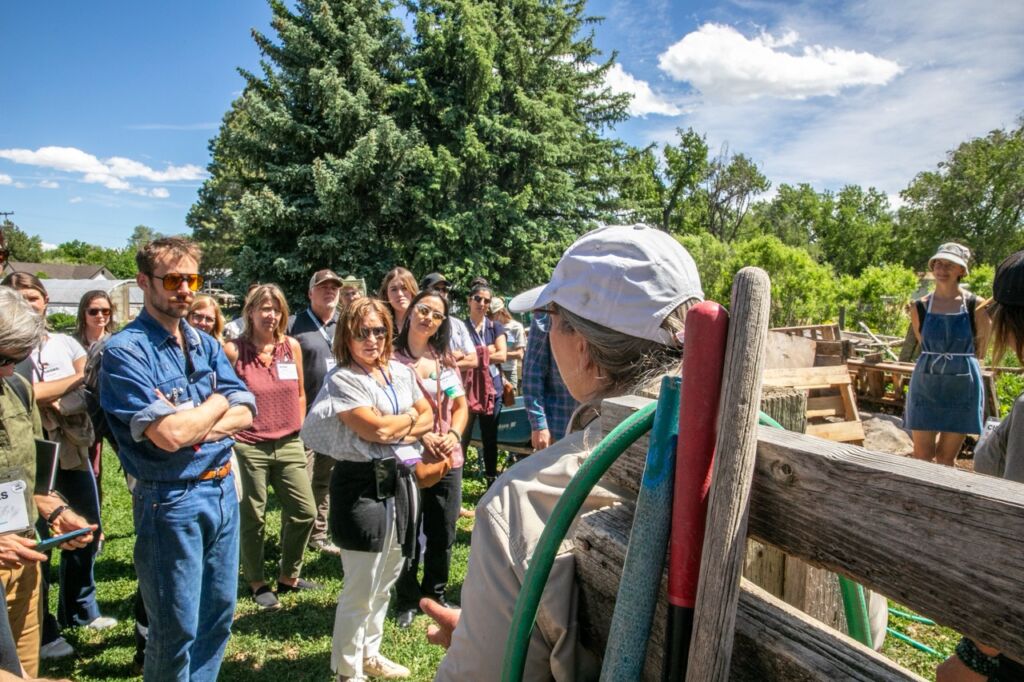
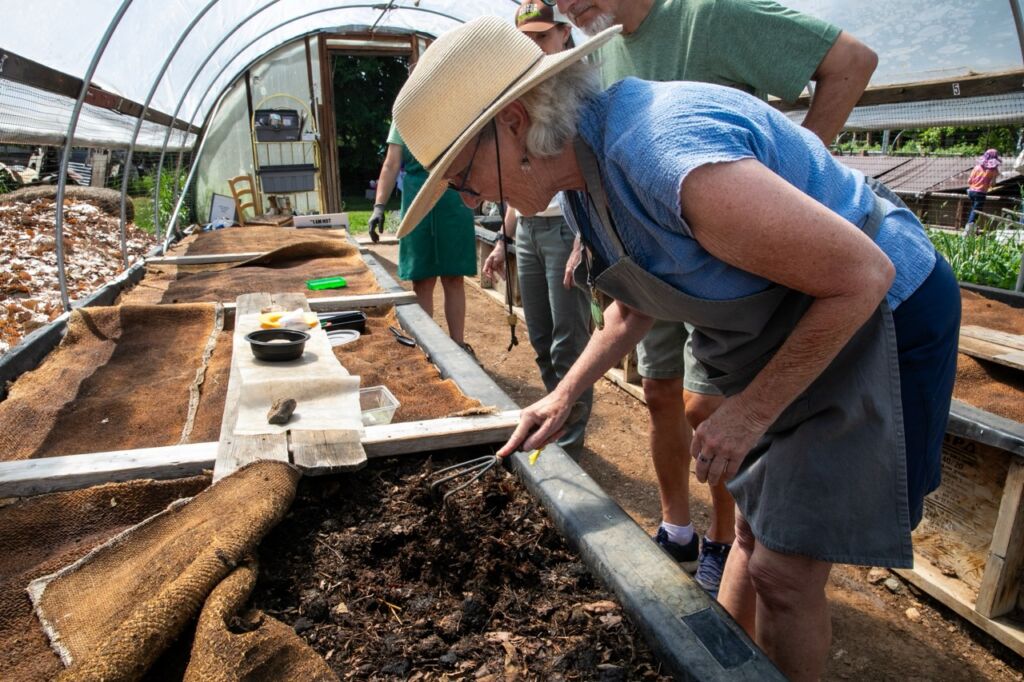
COTC provides up to date training on industry practices, as well as hands on training and the chance to tour local composting facilities to see how it all fits together.
Colorado's 2026 training will take October 19th-23rd in Denver, CO.
This 5-day course, offered by the Compost Research & Education Foundation (CREF), gives you a comprehensive understanding of how successful compost facilities operate, whether you’re new to composting or already established in the industry.
In addition to in-depth lectures by nationally-recognized instructors, you'll gain practical experience through hands-on activities, including a team pile build and monitoring, as well as tours to local facilities, where the theories meet reality. From compost facility staff to environmental and agricultural consultants to local and state regulators, the COTC is for anyone who wants quality instruction from leading professionals on the art and science of commercial-scale compost production, utilization, and marketing.
Colorado Compost Week Proclamation
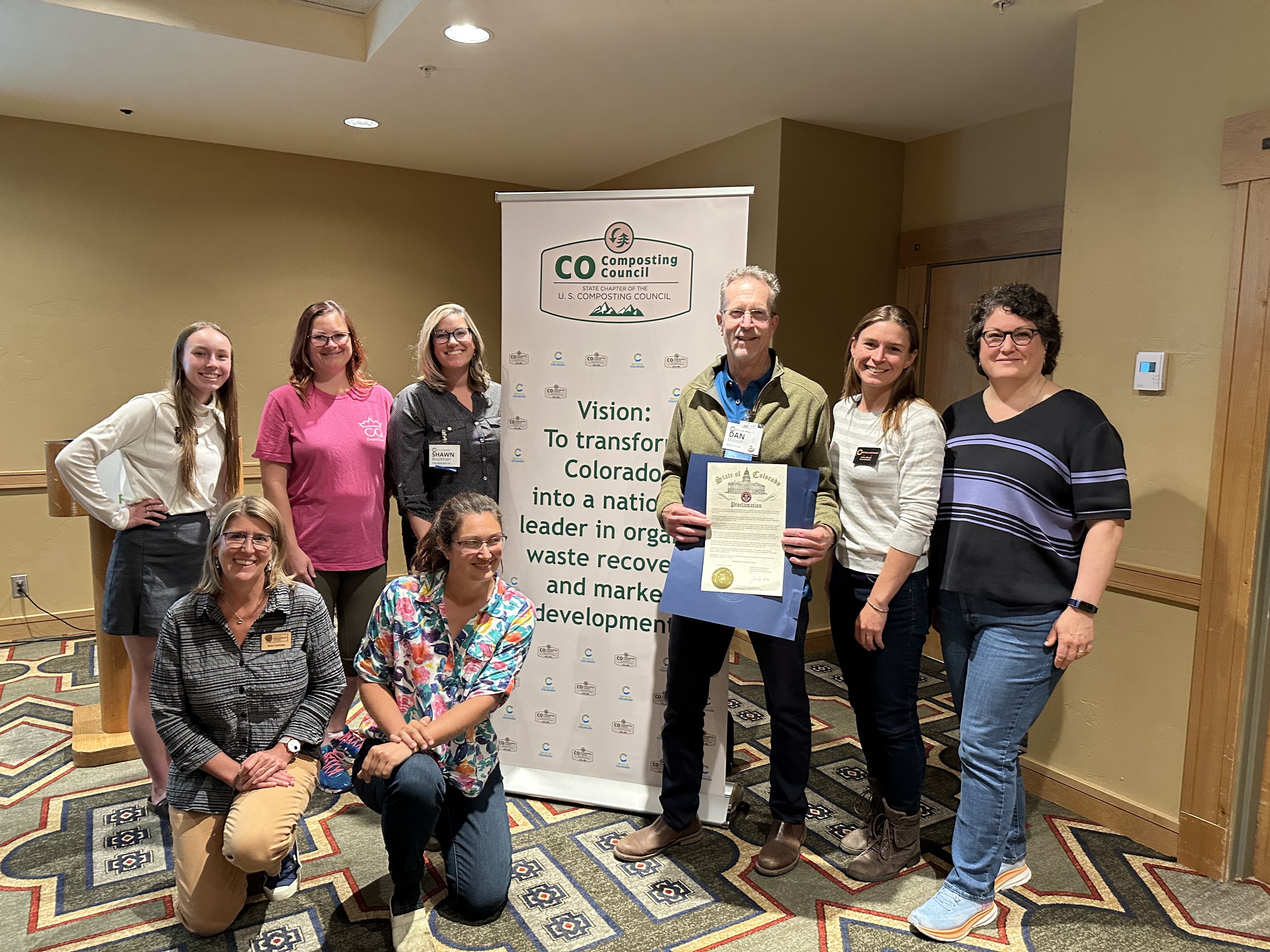
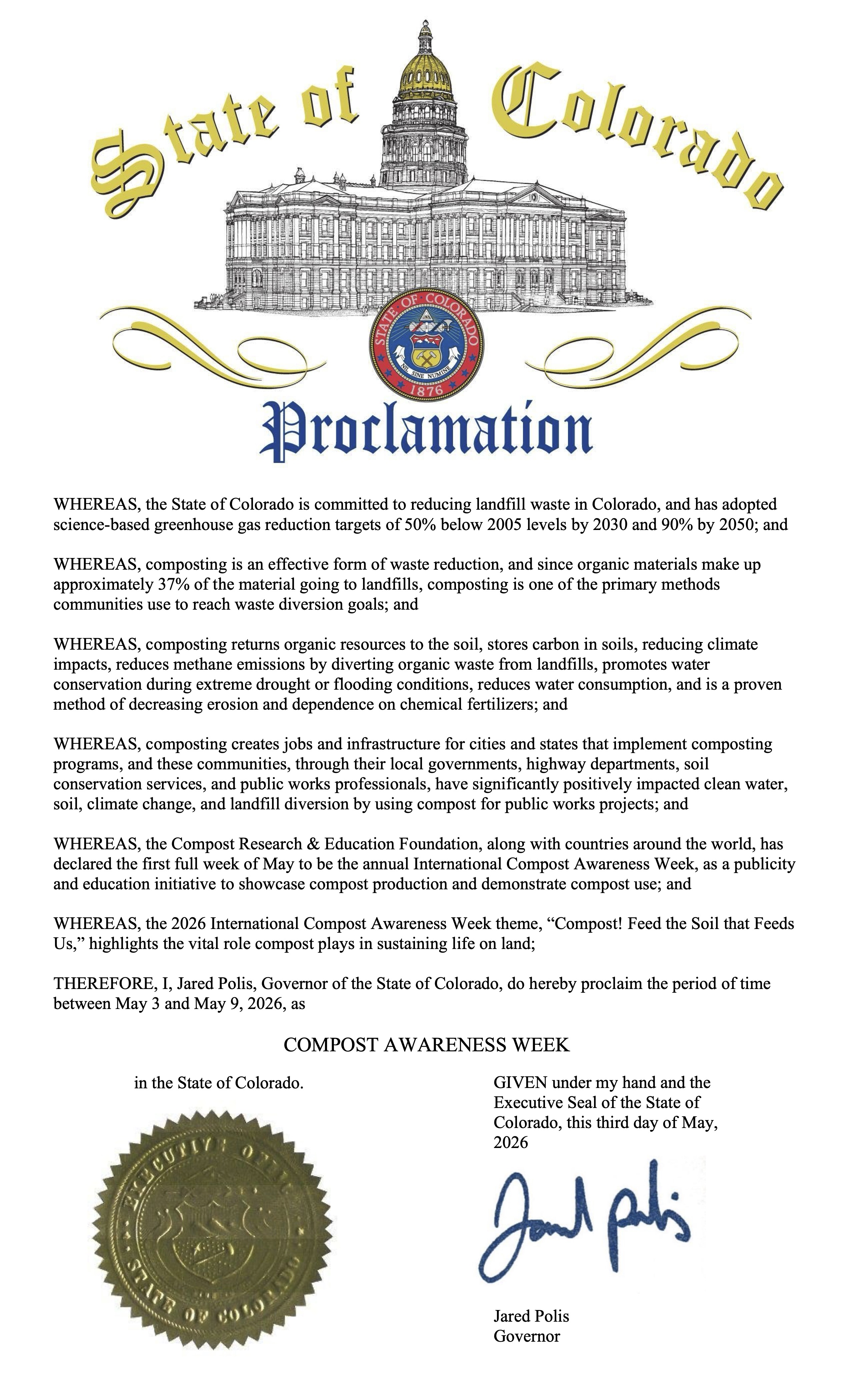
In 2023 and 2026, Colorado's Governor Jared Polis declared Compost Awareness Week as 5 dedicated days during the month of May. We were delighted to have composting on the forefront of our state's leaders minds. Thank you to our composters & everyone that made this day possible!
International Compost Awareness Week (ICAW) is the compost industry’s largest, most far-reaching education and awareness campaign, celebrated worldwide each year during the first full week of May. The mission is simple but powerful: bring people together to share the benefits of composting organics and using compost to build healthier soil. From the fall poster contest to thousands of events and activities during the week, ICAW inspires action at every level. Communities, schools, governments, and businesses host celebrations highlighting all types of composting, from small backyard efforts to large-scale commercial operations, showing that everyone can play a part in creating a more sustainable future.